
Forged Aluminium

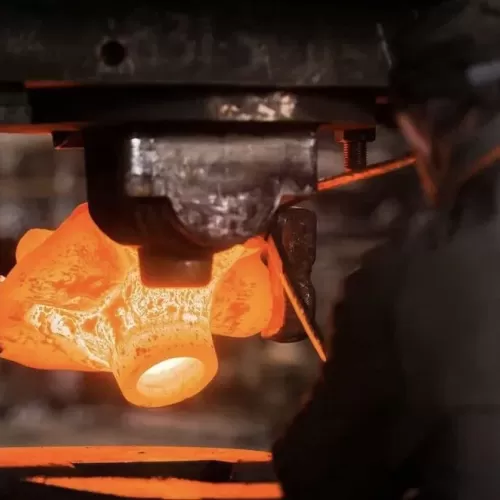
Forged aluminum products are made through the forging process, which involves shaping aluminum alloys under high pressure using a press or hammer. This creates components with enhanced strength, durability, and reliability compared to cast or machined aluminum parts.
Key Properties

  1. High Strength: The forging process aligns the grain structure, resulting in superior mechanical properties.
  2. Lightweight: Retains aluminum’s low density, ideal for weight-sensitive applications.
  3. Corrosion Resistance: Natural oxide layer provides excellent resistance to rust and corrosion.
  4. Fatigue Resistance: Performs well under cyclic loading, making it ideal for dynamic applications.
  5. Improved Toughness: Can withstand impact and extreme conditions without cracking.
  6. Thermal and Electrical Conductivity: Retains good thermal and electrical properties of aluminum.

Common Alloys

  1. 2XXX Series: High strength but lower corrosion resistance (e.g., 2024).
  2. 5XXX Series: Excellent corrosion resistance (e.g., 5083).
  3. 6XXX Series: Balanced strength, corrosion resistance, and machinability (e.g., 6061).
  4. 7XXX Series: High strength for aerospace and military applications (e.g., 7075).

Applications

  1. Automotive
  • Suspension Components: Control arms, knuckles, and brackets.
  • Engine Parts: Pistons, cylinder heads, and connecting rods.
  • Wheels: Lightweight forged aluminum wheels.
  1. Aerospace
  • Aircraft landing gear, structural components, and engine parts.
  1. Industrial and Marine
  • Pumps, valves, and industrial machine components.
  • Marine fittings and propellers.
  1. Defense and Military
  • Lightweight components for vehicles, weapons, and protective gear.
  1. Sporting Goods
  • Lightweight and durable components for bicycles, golf clubs, and gym equipment.

Advantages

  1. Strength: Forged parts are denser and stronger than cast or machined parts.
  2. Durability: Withstands wear and tear better than alternatives.
  3. Efficiency: Reduces material waste compared to machining.
  4. Superior Surface Finish: Produces smoother and more consistent surfaces.